If you think you can buy iptv like grabbing coffee on the way to work, think again—this decision can quietly make or break your entire service before launch day even blinks.
Behind the screens sit licensing puzzles, bandwidth pressure, and systems that hum or fall apart under real users, so getting this right means fewer headaches, steadier growth, and customers who stick around.
Point 1
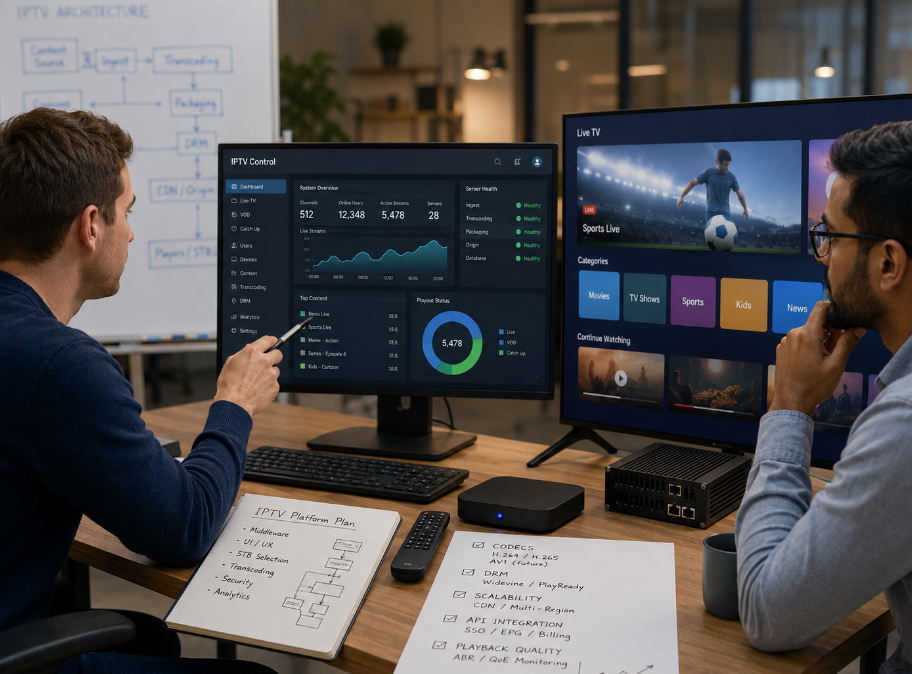
Choose scalable middleware for seamless provisioning, DRM, and API integration
Point 2
Integrate responsive UIs with EPG, metadata, and adaptive bitrate playback
Point 3
Select set-top boxes and transcoders supporting codecs, DRM, and multicast
Point 4
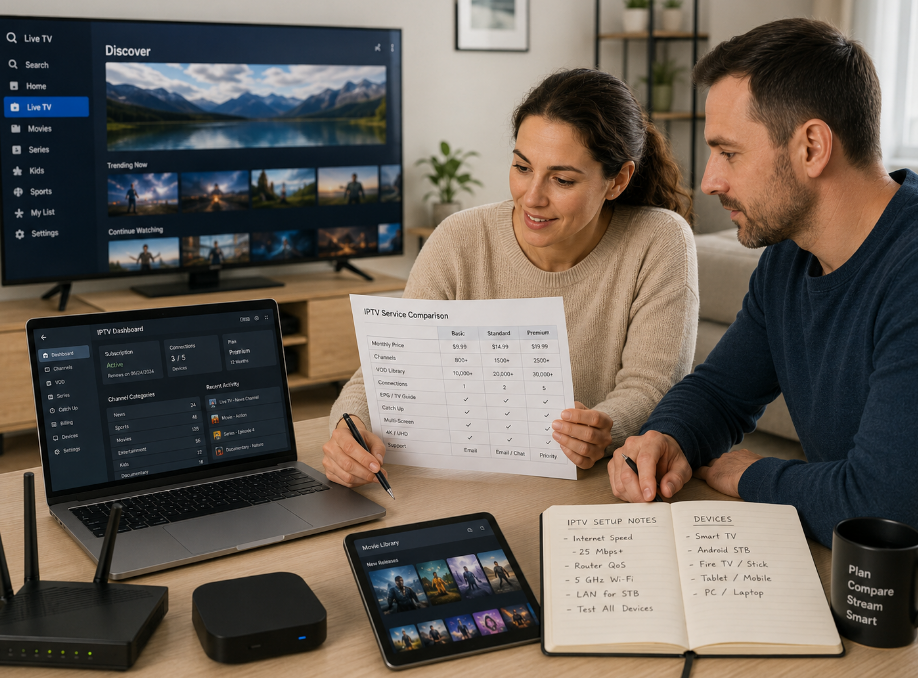
Budget for subscription tiers, content licensing, bandwidth, and edge servers
Point 5
Implement robust CRM, billing systems, and secure payment workflows
Key IPTV Technology Decisions Before You Buy IPTV
Modern IPTV stacks feel simple on the surface, yet the moving parts underneath matter a lot. If you plan to buy iptv services or resell them, these technical choices shape scale, speed, and everyday user happiness.
Choosing the Right Middleware for Scalable IPTV
At the center sits Middleware, quietly running Subscriber management, Content management, and Billing integration while keeping Scalability in check. When people decide to buy iptv, this layer decides if growth feels smooth or painful.
Ericsson’s Mobility Report (2024) notes that video already drives over 70% of mobile data traffic, pushing IPTV operators to adopt middleware that scales without breaking user experience.
Providers like Startiptv highlight middleware choices as a key reason many users confidently buy iptv subscriptions and stick around.
Integrating User Interfaces with Your Streaming Platform
A clean User interface shapes how fast viewers find shows and how long they stay. Tight API integration between the Streaming platform and apps keeps everything synced.
Short tests, quick feedback, tiny tweaks. That rhythm helps when users compare options to buy iptv or switch IPTV services. Startiptv leans on practical UI/UX design so features feel natural, not forced.
Selecting Set-Top Boxes and Transcoding Units
Hardware choices decide picture quality, latency, and device reach. A solid Set-top box paired with the right Transcoding unit keeps streams stable.
| Hardware Class | Avg Bitrate (Mbps) | Supported Codecs | Power Use (W) |
|---|---|---|---|
| Entry STB | 6.5 | H.264 | 8 |
| Mid-range STB | 9.0 | H.264/H.265 | 10 |
| Pro Transcoder | 12.5 | H.264/H.265/AV1 | 18 |
When people plan to buy iptv, smooth playback often matters more than flashy features. Startiptv focuses on balanced Hardware specifications so buying IPTV feels like a safe bet, not a gamble.
How Much Does IPTV Cost?
IPTV pricing isn’t a flat sticker. It flexes with content, network reach, and how smartly services package value. If you’re planning to buy IPTV, or comparing options like Startiptv, understanding where the money goes saves real cash and real headaches.
Subscription Tiers and Channel Lineups Pricing
Costs start with subscription design and tiers that shape how viewers actually watch. Some packages feel slim and cheap. Others stack channels into dense lineups with premium content and extra features.
Under the hood, pricing math often looks like this:
When users buy IPTV today, clarity beats clutter. Simple menus convert better than bloated grids.
Licensing Fees for VOD Libraries and Live Channels
Behind every stream sits a maze of licensing, rights, and agreements tied to VOD libraries and live channels. Popular titles spike fees fast, especially with regional locks.
“Content licensing remains the single largest cost driver for streaming operators,” noted the 2024 Digital Media Trends report from Deloitte.
Costs shift by geography, renewal terms, and audience size. That’s why the same service can feel cheap in one market and pricey in another. When people buy IPTV, these invisible fees quietly shape what’s available tonight.
Network Infrastructure Expenses: Bandwidth and Edge Servers
Streaming lives or dies on network infrastructure. Bandwidth bills scale with viewers, while edge servers and data delivery systems keep streams smooth.
Step by step, traffic grows, peaks hit, and infrastructure spending follows. It’s boring math, but without it, no one sticks around long enough to buy IPTV again.
Subscriber Management Systems and Billing Integration Costs
The quiet backbone is subscriber management systems tied to billing integration, CRM platforms, and user accounts.
Each action runs through automation. Clean systems lower support costs and keep payments flowing. Brands like Startiptv invest here because smooth onboarding turns curious clicks into long-term users. When customers buy IPTV and it just works, trust builds fast.
IPTV vs. Cable TV: A Comparison
Quick, straight talk on how modern Internet Protocol delivery stacks up against old-school television pipes, with buying tips, slang-level clarity, and real-life viewing habits baked in.
IPTV
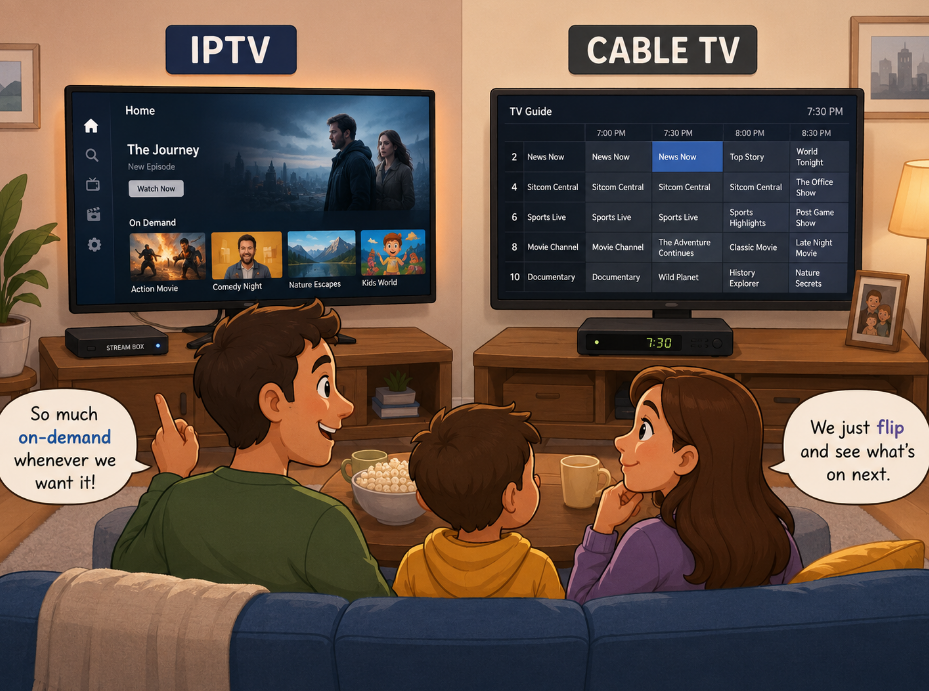
IPTV runs on Internet Protocol, not magic. It feels casual on the couch, yet the tech behind it stays sharp and busy.
A quick look at delivery performance helps explain why many viewers buy iptv more than once before settling.
| Delivery Method | Avg. Bitrate (Mbps) | Latency (sec) | Network Type |
|---|---|---|---|
| IPTV Live Stream | 6–12 | 5–15 | IP / CDN |
| IPTV On-Demand | 4–8 | 2–5 | IP / CDN |
| Traditional Cable | Fixed | <2 | Coaxial |
“Streaming now defines the default TV experience for younger households, with flexibility outweighing channel volume,” noted in Deloitte’s 2024 Digital Media Trends update.
For shoppers ready to buy iptv, brands like Startiptv keep popping up in forums because setup stays simple and the IPTV subscription feels less locked in.
Cable TV
Cable TV sticks to muscle memory. Flip on, sit back, watch.
• Coaxial cable carries steady Signal transmission
• Broadcast channels follow Linear programming
• A Set-top box locks in Scheduled viewing
That rhythm works for some homes. Sports bars like the predictability. Older TVs hum along without apps. Bundles still roll in, stacking internet and phone lines inside Bundled packages.
A short walk through daily use tells the story:
The trade-off shows up fast. Less interactivity. Fewer choices outside the clock. No real sense of Traditional television adapting to mood or moment.
Many viewers compare costs, then quietly decide to buy iptv instead, or at least test it alongside cable. Startiptv often enters that trial phase because switching back stays easy, and purchasing IPTV doesn’t feel like a long contract trap.
3 Payment Methods for IPTV Subs
Choosing how to pay often decides where people buy iptv. Some want quick control. Some want set-and-forget comfort. Others need paperwork and traceable payment flows. Below is a friendly breakdown that helps users buy, manage, and enjoy IPTV without billing drama, especially when services like Startiptv are on the table.
Prepaid VOD Credits via Customer Portal
This option fits users who like control over every account move.
Short bursts of use feel natural here. Many customers buy iptv credits, watch, pause, then return later. It’s clean. It’s flexible. Startiptv often highlights this path for viewers who just want to buy, watch, and chill.
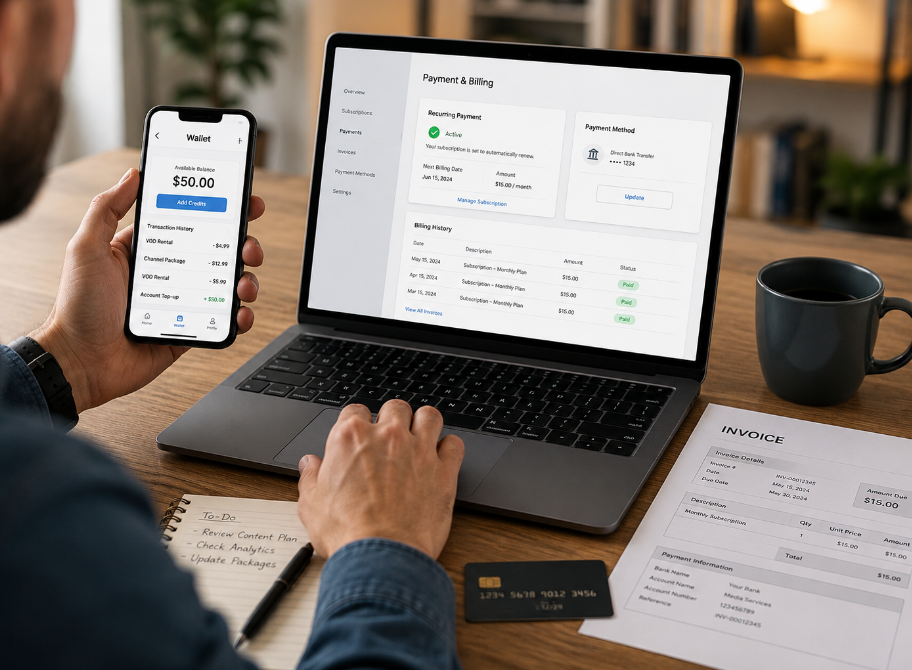
Recurring Billing Integration with CRM Systems
Some customers buy iptv once and never want to think about it again.
Behind the scenes, management and customer records stay aligned, keeping the service smooth even as plans change.
“Consumers increasingly expect subscriptions to update in real time across channels,” notes a 2024 Gartner report on digital subscription operations.
For users who buy iptv as a main TV source, this model feels effortless. Purchase IPTV once, let the system breathe, and enjoy steady streams.
Direct Bank Transfer and Invoicing Protocols
This path suits business buyers and bulk deals.
It’s slower, yes. Still, teams that buy iptv at scale need traceable payment trails. For enterprise clients using Startiptv, this method keeps audits calm and accounting teams happy.
References
[Ericsson Mobility Report - https://www.ericsson.com]
[Akamai Content Delivery Network Guide - https://www.akamai.com]
[Akamai Edge Computing for Low-Latency Live Streaming Services - https://www.akamai.com]
[TechTarget IPTV Definition - https://www.techtarget.com]
[WIPO Streaming and Copyright - https://www.wipo.int]
[Deloitte Digital Media Trends - https://www.deloitte.com]
[FCC Broadband Speed Guide - https://www.fcc.gov]
[Google Play Help: Cancel, Pause, or Change a Subscription - https://support.google.com]
[Gartner Marketing Insights - https://www.gartner.com]